



NHS - Respiratory Syncytial Virus (RSV)
NHS guidance on symptoms, testing, and prevention
Understand RSV risks and care
About RSV and Who Is Affected
Respiratory Syncytial Virus (RSV) is a common respiratory virus that usually causes mild, cold-like symptoms in adults and older children but can be more serious in infants and older adults with underlying health conditions. Typical signs include cough, sneezing, runny nose, and fever; in infants there may be feeding difficulties and rapid or troubled breathing. The NHS advises monitoring symptoms closely, keeping at-risk people away from infected individuals, and seeking medical advice if breathing problems, dehydration, or reduced responsiveness occur. Local testing and care pathways vary by season and local NHS arrangements.
Key facts at a glance
RSV Quick Facts
RSV spreads easily via droplets and direct contact. Most people recover at home with rest, fluids, and fever control, but health services prioritise infants under 1 year, premature babies, and those with heart or lung disease. The NHS may offer testing, supportive care, or referral based on severity. Preventive measures such as good hand hygiene, avoiding contact with vulnerable infants when unwell, and following NHS immunisation or prophylaxis recommendations for eligible high-risk infants are important during RSV season.
Common in infants and young children
Seasonal peaks in autumn and winter
Symptoms include cough and wheeze
Seek urgent care for breathing difficulty

Testing
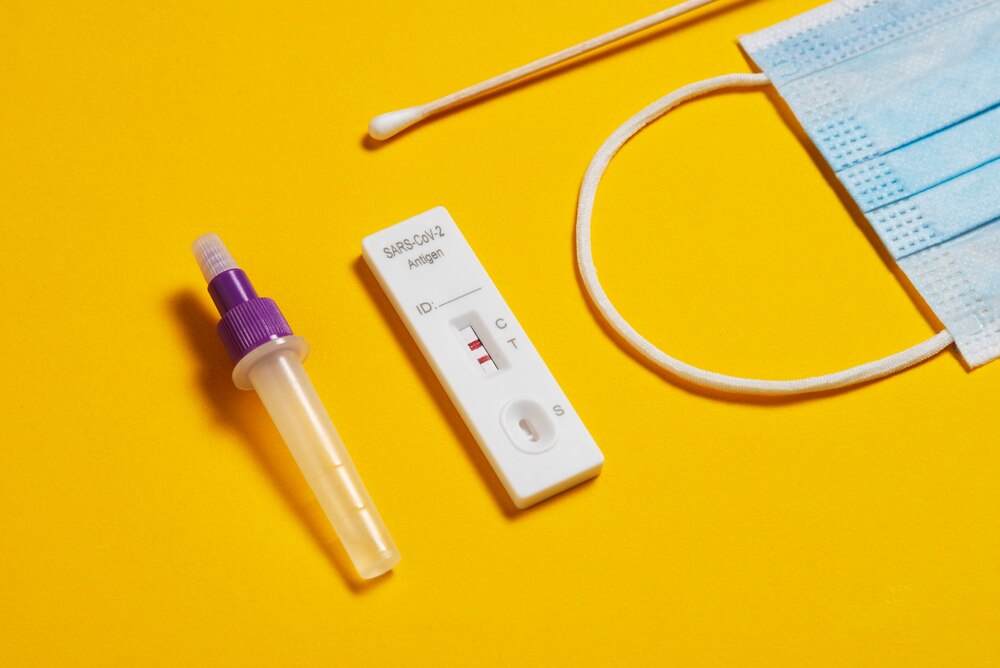
NHS testing available where recommended
Symptoms
Recognise symptoms and monitor breathing
Prevention
Hygiene and avoidance reduce transmission
Important Key Points
If an infant or at-risk person shows worsening symptoms—such as fast or laboured breathing, persistent high fever, poor feeding, or reduced alertness—seek urgent medical advice. For most mild cases, home care includes rest, fluids, paracetamol or ibuprofen for fever according to NHS dosing, and monitoring. The NHS provides specific pathways for when to test or refer, particularly during seasonal peaks. Speak to NHS 111 or your GP for current local guidance and follow any isolation and hygiene recommendations to limit spread within households and communities.
Watch for breathing difficulties
Keep hydrated and rest comfortably
Protect vulnerable infants and elders
Follow NHS advice for testing
Reduce transmission risk
Prevention and Hygiene
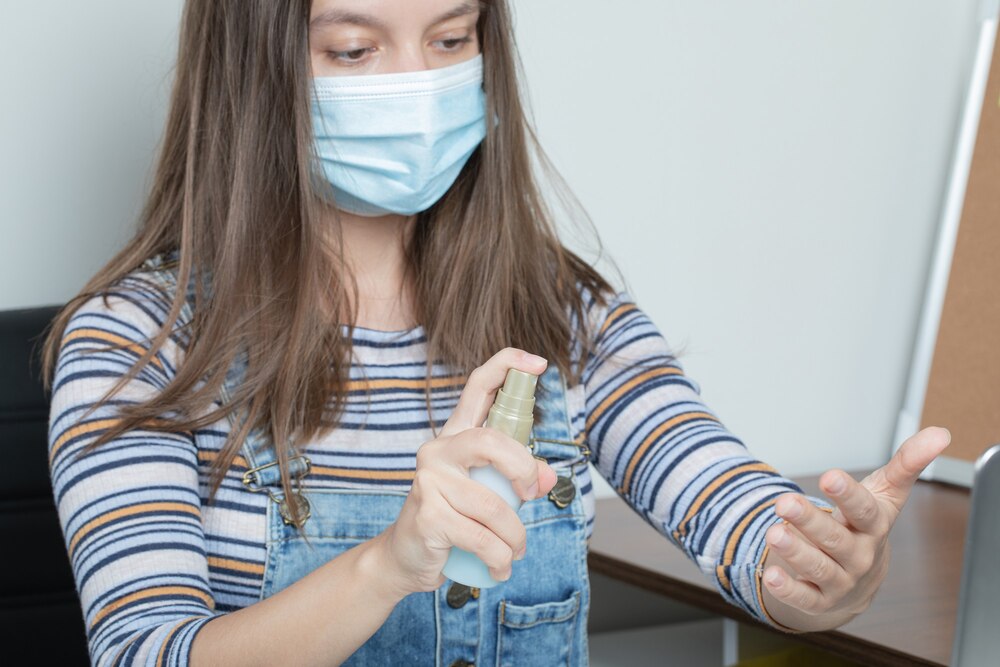
Reducing RSV transmission relies on practical steps: wash hands regularly, cover coughs and sneezes, clean frequently touched surfaces, and avoid close contact with vulnerable infants and elderly relatives when unwell. If you care for a baby, limit visitors during high season and keep sick household members apart where possible. Health professionals may recommend additional preventive measures for severely premature babies or those with chronic heart or lung conditions, such as targeted prophylaxis. Stay up to date with NHS seasonal advice and vaccination offers that can indirectly reduce RSV risk.
Frequently Asked Questions
Answers reflect current NHS guidance and common questions families ask about RSV. For personalised advice, contact NHS 111 or your GP.
What is RSV?
RSV is a common virus causing respiratory infections, especially in infants and older adults. It usually causes cold-like symptoms but can be serious for high-risk groups.
How is RSV treated?
Most cases are managed at home with rest, fluids and fever relief. Severe cases may need hospital support for breathing or hydration.
Who is most at risk?
Infants under 1 year, premature babies, and older people with chronic health conditions are at higher risk of serious RSV illness.
Can I get tested for RSV?
Testing is offered based on NHS clinical assessment and local pathways, particularly for those needing hospital care or who are at high risk.
How can I prevent RSV spread?
Good hand hygiene, covering coughs, cleaning surfaces, and keeping unwell people away from infants help reduce transmission.
When to contact NHS
When to Seek Urgent Help
Contact NHS 111 or your GP promptly if an infant or vulnerable person shows signs of severe illness: difficulty breathing, blue or pale skin, very unusual drowsiness or inability to wake, a high fever not responding to medication in infants, or signs of dehydration such as much less urine than usual. For emergencies like severe breathing problems or collapse, call 999. Early assessment helps ensure timely care. Follow local NHS guidance for testing and hospital referral during seasonal RSV surges to keep high-risk individuals safe and to receive the most appropriate treatment.